Showing posts with label Pets. Show all posts

Sunday, December 11, 2011

Riverwalker's Pics - Cold Feet


Got cold feet?


Staying above the water line!


Riverwalker

Monday, September 6, 2010

Free Downloads - Pet First Aid and Disaster Preparations for Pets


Preparing for a disaster or a medical emergency involving your pets is often overlooked as part of your emergency planning. Preparing ahead of time is always the best way to avoid complications where your pets are concerned. Here are a couple of free downloads that are designed to guide you through the process of administering proper first aid to your pets and how to make the necessary preparations prior to a disaster to provide adequate care for your pets.

Knowledge of the proper ways to prepare for a disaster or to provide quality first aid for your pets will help you to keep them healthy and safe.

The First Aid and Emergency Care for Dogs and Cats is 33 Chapters (56 Pages) of first class, practical and easy to follow advice in an easy to read PDF format. It is fully indexed, searchable and printable. It includes information on the do’s and don’ts in specific emergency situations.

You can download the Pet First Aid book here:

Pet First Aid.PDF (290.9 kb)


The Emergency Planning Guide for Pet Owners is 19 pages of very helpful information and also contains a Pet Identification Form and an Emergency Kit Supply List for your pets.

You can download the Pet Planning Guide book here:

Disaster Preparations for Pet Owners.PDF (404.2 kb)

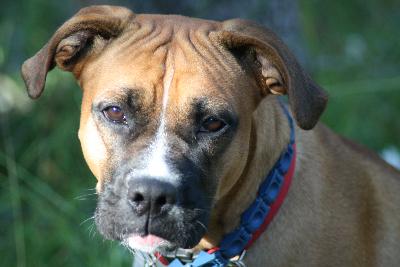
Got pets?

Staying above the water line!

Riverwalker
Friday, July 17, 2009

Summer Survival - Rabies

While many people enjoy outdoor activities in the summer, there are some serious threats to your survival that exist in the outdoors. There is a major threat that everyone should take seriously. That threat is contracting rabies. One of the worst situations you can encounter is an animal that is infected with the rabies virus. It is a silent killer that can have deadly consequences.

Rabies (also called hydrophobia) is a bullet-shaped virus which has deadly effects on the central nervous system of an animal. Exposure to rabies usually comes in the form of a bite from an infected animal and the virus is usually transferred in the saliva of the infected animal. Rabies is not transmitted through the blood stream. It travels through the nervous system to the brain and spinal cord with almost always deadly results for the infected animal unless they have been previously vaccinated.

“Rabies has the highest fatality rate of any infectious disease.”

Charles Rupprecht, VMD, PHD, CDC Rabies Program

Rabies Information

1.) All mammals can contract the rabies virus. This includes people.

2.) There are more than a dozen various forms of rabies.

3.) Most forms of rabies are usually associated with a particular animal species.

4.) The major hosts for rabies are bats, raccoons, skunks, coyotes and foxes.

5.) Possums are highly resistant to rabies but may still be a carrier of the virus.

6.) There is no effective treatment for a non-vaccinated animal once exposed to rabies.

7.) Rabies is found in every state except Hawaii.

8.) The widespread vaccination of animals has lessened the threat of rabies. Infected animals generally show no signs or symptoms during the incubation stage.

9.) Symptoms usually don’t become apparent until the virus has reached the brain and spinal cord of the infected animal. Death usually occurs within a few days.

10.) The rabies virus can be transmitted if a cut or open wound is exposed to the saliva of an infected animal.

The Signs of Rabies

1.) The symptoms of the “dumb” form of rabies is the one most people are familiar with and include such things as depression, weakness, paralysis and excess salivation.

2.) The more acute form of rabies, often referred to as the “furious” form is characterized by aggression, agitation, hyperactivity and paralysis of the face and tongue.

Avoiding Rabies

1.) Keep yearly vaccinations for your pets and animals (including horses) up to date.

2.) Vaccinated animals should also receive a “booster” shot from a vet if bitten by an infected animal or an animal suspected of being infected with the rabies virus.

3.) Try to limit your exposure and your pet’s exposure to wild animals that may be infected.

4.) Avoid wild or domestic animals that appear to be acting strangely or that may be showing signs generally associated with the advanced stages of rabies.

5.) If you are bitten by a suspect animal, seek immediate medical attention. You can be treated by PEP (post exposure prophylaxis) consisting of an injection of anti-rabies antibody and a series of additional rabies vaccines over a period of days. There is no approved PEP treatment for animals or pets.

CAUTION: Never try to catch an animal suspected of being infected. Call your local Animal Control Services and leave it to the professionals!

You can find additional information about rabies here:

http://www.cdc.gov/RABIES/


*edit* You can read about Jenna Giese, the only known survivor of rabies without a vaccination:

Jeanna Giese-Rabies Survivor

Staying above the water line!

Riverwalker

Monday, June 29, 2009

Signs of Heat Problems in Pets

Pets also suffer when the temperature rises in the summertime. They require extra care when the temperatures get extremely high and extra steps should be taken to insure their safety and well being. Yours pets are dependent upon you to provide additional “cooling” measures to insure their survival.

Always make sure your pets have plenty of “cool” water to drink. Make sure to keep their water in a shady place with easy access. Proper air circulation is also a must. Have an open area with lots of shade for them to find a place out of direct sunlight. If possible, a fan of some sort to help increase the air circulation will also help. Do not leave your pets in confined areas that can heat up rapidly during the summer heat. Cooling baths or showers will also help your pets to stay cool during the heat.


Caution: Never leave your pets inside a vehicle during the heat of summer. Summer temperatures can quickly reach extreme levels inside vehicles and needlessly endanger the life of your pet.


Signs of Heat Problems in Pets

1.) Excessive drooling or very rapid panting.

2.) Hot or excessively warm skin.

3.) Muscle spasms and twitching.

4.) Stunned or dazed look.

5.) Unresponsive or listless behavior.

If you think your pet, whether it’s a dog, cat, rabbit, etc, is showing signs of heat related stress or illness, you should seek help from a qualified veterinarian immediately.

Staying above the water line!

Riverwalker

Tuesday, June 16, 2009

Visiting a Friend


Stopped by and visited a friend this weekend.
Staying above the water line!
Riverwalker

Wednesday, January 21, 2009

Preparedness for Pets - Dry Dog Food or Canned

Younger dogs and puppies require a very large intake of protein, calories and nutrients than adult dogs. This is due to the demands of their rapidly growing bodies. Most commercial brands of dry dog food meet these requirements and are usually well balanced to support their proper growth and are designed to meet the age requirements of your dog.

The majority of dog foods that are now available are usually designed so that any additions are usually redundant and are not required for the health of your dog. The majority of ingredients of most dry dog foods are chicken, beef or lamb by products and corn, wheat or rice.

Higher meat content increases the percentage of protein. This will increase the taste and ease digestion. Protein percentages in dog food will vary due to the age and size of the dog. There are certain advantages of dry dog foods over semi-moist and canned dog foods that are available.

One of the best reasons to feed dry food is that it is less expensive than the semi-moist or canned foods of equal quality. Another good reason to feed dry dog food is that the chewing action required with dry dog food is better for the health of your dog’s teeth and gums. Dry dog food generally has a shelf life of approximately one year and the date is usually stated on the bag as a “best by” date.

The addition of supplements to a good dog food is usually unnecessary and might ruin the nutrient balance in your dog food. The addition of calcium supplements could cause improper bone growth. This may result in problems for your dog.

Dogs eating large amounts of canned or soft foods have a much greater chance of having calcium deposits on their teeth or developing a gum disease. Canned or semi-moist foods can be helpful for your dog in certain areas. Its main use is as a supplement. In moderate amounts, canned dog food or semi moist dog foods can be used to stimulate your dog’s appetite. They are also helpful if there is a need for additional weight gain. Unless certain very specific conditions are present, such as special dietary requirements due to a medical condition, dry dog food will generally be the best way for your dog to meet their nutritional needs.

Just as you depend on your dog, your dog depends on you. Don’t forget to include them in your preparedness plans.

Staying above the water line!

Riverwalker

Saturday, January 17, 2009

Simple Survival Tips - Dogs for Home Security

While it's extremely difficult to protect your home and possessions from professional thieves, the majority of home burglaries are usually done by amateurs. Many of these amateur thieves are more easily thwarted if you employ some simple security precautions.

Thieves and burglars are often defeated employing their two main fears; attention and time. Anything that draws attention to their activities or causes them to spend an excessive amount of time trying to get into your house may cause them to look for “easy pickings” elsewhere.

Dogs are excellent deterrents to burglars. The burglar’s enemies are time and noise. Anything that makes noise, even a small, noisy dog can be effective. Burglars do not like to have attention drawn to their presence as this may lead to getting caught.

You should also be aware that trained guard dogs do not usually make good pets. Obedience training and attack or guard dog training are two entirely different things. Dogs with obedience training are suitable for home security and as a house pet. (*edit*) Specially trained guard dogs can be suitable as house pets, depending upon the level and quality of their training. Dogs that have been trained as "attack" dogs usually will not make a suitable house pet.

Got bark?

Staying above the water line!

Riverwalker

Saturday, December 20, 2008

Common Food Storage Mistakes - Providing for Pets

Many people when planning their food storage forget to provide adequate supplies for their pets. Your pets will need food and water in the event of an emergency. Make sure to include adequate supplies to meet the needs of your pets.

Your pets may also need special medications in addition to food and water. They may also need some form of portable shelter, bedding materials and harnesses or leashes. It is easier to have these items ahead of time in the event of an emergency.

You may also have other types of pets with special needs such as birds or fish in an aquarium. The main thing to remember is to keep those items you will need to properly care for your pets available at all times and in sufficient quantities should necessary pet supplies become scarce in a disaster or emergency situation.

Remember, your pets depend upon you as much as you depend on them. Don’t forget to include their needs as part of your food storage program.

Staying above the water line!

Riverwalker

Saturday, December 13, 2008

Winter Effects on Pets - Recognizing the Signs of Frostbite

The preliminary signs of frostbite in dogs are sometimes easily missed because the areas that are usually affected are covered with hair. The areas of the body most frequently involved are the tips of ears, the tail, scrotum area, and any other exposed extremities (paws, legs, etc.). Learn to recognize the signs of frostbite in your pets.

When frozen or near-frozen, the skin will appear very pale. As the skin warms, it becomes somewhat reddened and the area becomes painful to the dog when touched. Eventually, the skin will become scaly. If blood circulation has been severely affected, the tips or edges of the skin may actually die and slough off. First aid in early stages of frostbite involves warming the area gently with warm water. Do not massage the area, as this may cause release of dead tissue toxins into the blood stream or further damage already impaired skin tissue.

Apply a protective Vaseline type ointment or lotion and cover the affected area, if at all possible. Severe cases of frostbite may necessitate amputation of the affected tissue. Seek help for your dog from a qualified veterinarian as soon as possible.

Your pets depend on you as much as you depend on them. Keep them safe this winter.Staying above the water line!

Riverwalker

Friday, December 12, 2008

Winter Safety Tips for Pets

Winter weather can be extremely harsh for everyone. It can be even harsher for your pets if not properly protected. Many pets are a regular part of the family. A family you will want to protect. Here are some safety tips for your pets during cold weather.


Winter Safety Tips for Pets

1.) In the winter time make sure your pet has been provided adequate shelter. They will need protection from the wind, rain, and cold temperatures.

2.) Ensure that your pet has a comfortable shelter. Make sure they and can get into and out of their housing easily and have sufficient room to maneuver or turn around.

3.) Make sure they have plenty of good bedding materials to insulate them from the effects of cold weather. Old rugs, blankets, etc. can be used as excellent bedding materials.

4.) Pets that live outdoors in the winter may need additional food to sustain their body temperature as well. Your pet will most likely need this additional nutritional intake during extremely cold winter weather.

5.) Make sure your pets have fresh water at all times. Make sure the water is not frozen during this time of year. This will prevent them from being properly hydrated. Most animals do not know how to break the ice.

6.) Another winter hazard that is sometimes overlooked is thin ice. If you have any water sources that may freeze over, such as a creek , stream or pond in your area that may have thin layers of ice covering them, make sure to limit your pet’s access to these areas. Remember, thin ice will not hold very much weight.

7.) Use extreme caution and exercise care when using external sources to provide heat for you pets. This can be a dangerous practice if not done safely and may create a fire hazard.

8.) If you live in area where they may be exposed to de-icer solutions or road salts, make sure you clean your pet's feet regularly. Road and highway salts will burn their feet.

9.) Be extremely careful about wet tongues and cold metal. This could cause a severe injury to your pet.

10.) Know and be able to recognize the signs of frostbite or hypothermia in your pets.

Keep your pets safe this winter. They depend on you as much as you depend on them.

Staying above the water line!

Riverwalker

Thursday, December 11, 2008

Simple Survival Tips - Winter Hazards for Pets - Antifreeze

Antifreeze, also known as ethylene glycol, can be a potential problem for your pets in the winter. Cats and dogs are attracted to the sweet smell and taste of antifreeze. They will usually not hesitate to sample some if it is left out in a container or spilled on the garage floor, carport or driveway of your home.

Antifreeze is extremely toxic to dogs and cats. Antifreeze is rapidly absorbed into their system and it has a high mortality rate if not treated very quickly. The initial signs of antifreeze poisoning usually appear within one hour after being ingested.

There are also other sources of this deadly chemical. Heat exchange fluids (sometimes used in solar collectors for heating water), some brake and transmissions fluids and diethylene glycol which is used in color film processing are just a few.

Usually within 12 hours of ingestion, acute cases of antifreeze poisoning pets often exhibit symptoms resembling alcohol intoxication. The signs include stumbling, vomiting and depression. The kidneys are the most severely affected part of their bodies. Even if the animal seems to show signs of initial improvement after treatment, they may succumb shortly afterwards as a result of kidney failure. When the kidneys shut down, your dog or cat will be unable to produce urine.

This type of kidney failure usually happens within 12 to 24 hours after being ingested by cats and within 36 to 72 hours after being ingested by dogs. Successful treatment is entirely dependent upon a quick response by you when ingestion of antifreeze by your pet is suspected.

If you suspect that your animal has come into contact with antifreeze and may have ingested it, contact your veterinarian immediately.

A safe alternative to ethylene glycol antifreeze is available. It is called propylene glycol, and while it does cost more than “regular” antifreeze, it may be worth the extra piece of mind it will give you knowing that your pets will be safe.

Staying above the water line!

Riverwalker

Wednesday, December 10, 2008

Simple Survival Tips - Recognizing Hypothermia in Dogs

Many people have dogs which are sheltered outside during the winter. They also use their dogs for many outdoor activities, such as hunting. It is important to be able to recognize the signs of hypothermia in your dogs so that they may be treated for this condition as quickly as possible. Your dog depends on you just as much as you depend upon them.

Hypothermia occurs when there is a lower than normal body temperature. The normal body temperature for a dog is 100.5 to 102.5 degrees. When the effects of significant hypothermia are present, a dog becomes physically and mentally sluggish. With severe hypothermia, they may become unconscious. The first thing to do when a dog is hypothermic is to start to warm him up SLOWLY. If water of varying temperatures is available, start with cool water and warm it up slowly over a period of one to two hours. If you are in the field with your dog, wrap a "space blanket" or a wool blanket around both yourself and the dog so that your own body heat can be transferred to your dog. Have the dog checked by a veterinarian as soon as possible.

Staying above the water line!

Riverwalker

Friday, August 29, 2008

Riverwalker's Gear - Midwest Cages

The cage I use to transport my dogs with is the Midwest Lifestages Double Door Fold & Carry Crate. They come in different sizes up to 48"L X 30"W X 33"H. They are collapsible which makes them easy to set up and take down and come with both an end door and a side door. This is a great feature that allows me to load my dogs no matter how I have to place the cage in the bed of my truck. A divider panel comes with each cage that allows you to keep your dogs separate. A plastic plan is also included and helps to avoid any mess and is easy to clean with just a little soap and water. The only thing you need to supply is a bed or mat for your dog. My dog has a favorite rug he prefers. When I place the rug in his cage, he goes right in and settles down quickly. If you need something to transport you pet, these Midwest cages are a great way to do it!

Check out Midwest cages here: Midwest-Lifestages-Double-Door-Fold-and-Carry-Crates

Staying above the water line!

Riverwalker

Wednesday, August 27, 2008

Providing Proper Pet Protection - Disaster Supply Checklist for Pets

The best way to help your pet survive a disaster (natural or man-made) or other emergency is to be prepared before the emergency. Don’t wait until the last minute to provide the necessary protection for your pet. Create a plan of action, know your options for their care, and put together an emergency kit for your pet. Planning ahead now will enable you to insure the safety and well-being of your pets.

To help you in your efforts to properly protect your pets here are some Disaster Supply Checklists for Pets:


Disaster Preparedness for Horses.html

Be A SurvivorDisaster Preparedness for Livestock.html

Here are some brochures in PDF format:

Disaster Preparedness for Pets (PDF Format)

Disaster Preparedness for Horses (PDF Format)

Disaster Preparedness for Livestock (PDF Format)

Source: Humane Society of the United States

BTW, if you get a chance check out Beacon Survival . They have some pretty good info on their site and they're also a big fan of Flea at Be A Survivor . One of their recent articles is Extending the Life of Perishable Items During a Power Outage (which is another shameless plug for my site!).

Staying above the water line!

Riverwalker

Sunday, August 24, 2008

Parrots, Pooches, and Pot-bellied Pigs - Providing Proper Protection for Pets

Many times in a crisis or emergency situation there is a need to provide for those other family members that are as much a part of the family as anyone else. The other family members I’m referring to are your pets. It is unfortunate that many times pets are left behind to fend for themselves because adequate steps were not taken to provide and protect them. They have many of the same basic needs as any other family members.

They will need food, water, shelter and any medical items necessary for their immediate needs. Pets can become just as stressed out during a crisis as people and will depend on you to provide for them.

It doesn’t matter what kind of pet you have in your family but it does matter if you don’t take the steps to insure your ability to properly provide for them. Whether you have a parrot, a pooch, or even a pot-bellied pig they will all have certain needs that they will expect you to provide for them.

In my case, I have two beautiful black Labs that I would find it difficult, if not impossible, to leave behind if a crisis or emergency forced me to evacuate. I keep extra dog food stored in a special container for easy transport, additional water, tie out stakes and cables, and a wire cage for transport along with the usual harnesses (they are large size dogs - +75 lbs.), leashes, collars, and muzzles (one of mine is not the friendliest toward strangers – even though he won’t bother family members). The only major expenditure (about a $100) I have made for my dogs is a portable cage to provide a place of shelter. Many times if you are forced to re-locate temporarily to a different place you will need a secure place to put your pets and is often required for their safety and the safety of others.

Take a little time while you are preparing for an emergency or a crisis and provide the necessary items that will allow all family members to stay together, including your pets.

Staying above the water line!

Riverwalker
Related Posts with Thumbnails