Signs
Just how many does it take before they get it?
Staying above the water line!
Riverwalker


With the arrival of colder weather, many people will rely on hand warmers and foot warmers for an additional measure of protection against the elements. Knowing your gear will perform as necessary is essential to your survival. Here’s a simple test that was done on a random sample of hand warmers and foot warmers to see if they would actually perform as stated on the package. These came from the local “Wally World” and were a package that was lying on the floor. So there was a possibility of the packaging being damaged, although there was none that was obvious.

The ingredients in the foot warmers was basically the same and consisted of iron powder, water, salt, activated charcoal and vermiculite. One package of foot warmers (Toastie Toes) did list potassium chloride as an ingredient instead of salt. The warmers are packaged inside a small Mylar bag and the pouch was extremely sturdy as well. It didn't tear easily but did puncture quite easily with a sharp pointy object, my Gerber STL.
The temperature range for the foot warmers was listed as 100 to 105 degrees and the temperature range for the hand warmers was listed as 126 to 144 degrees. There was also a warning that the temperatures may get as high as 165 degrees but none of the packages tested exceeded 145 degrees. The packages listed a date code that gave them approximately a two (2) year shelf life. Pretty good for something that only cost $1.97 for a package of six foot warmers.
The claim of up to 10 hours of heat from a package was affirmed. All the packages that were tested lasted in excess of 10 hours and a couple of packages were still reading temperatures in the 110 to 115 degree range after more than 10 hours.


The warmers were also tested for actual warming ability by using a boot lace that was handy (can boot laces be handy?) and tying a couple of pouches on a container of water that was 55 degrees which was the current ambient temperature outside. After several hours, the water in the bottle had warmed up to 100 degrees. To simulate the effects of clothing, the bottle was wrapped with an elastic bandage.


A simulation of being in a pocket was done by placing a candy thermometer (supplied courtesy of Mrs. RW) in a a bag with a warmer. It maintained a fairly steady temperature of about 100 degrees.

They were then tested by simple exposure to the surrounding air and maintained a temperature of about 125 degrees.

The packaging also warned of exposure to oxygen rich environments. In order to test this, a hair dryer (again courtesy of Mrs. RW) set on low speed and cool was used to simulate an oxygen-rich environment. The temperature climbed to 140 degrees pretty quickly.

A package was opened and the contents were checked. It was very gritty to the touch. Except for some discoloration on my fingers due to the iron powder and the activated charcoal, the ingredients were safe when handled. Ingestion of this powder though would be a very bad idea and a warning in this regards is stated clearly on the package.

With sturdy packaging, safe ingredients, temperature ranges that were in accordance with those listed on the packaging, a decent shelf life and a price of pennies per hour for heat make these hand warmers a great gear item. As an added bonus, they are an American made product.
Got hand warmers?
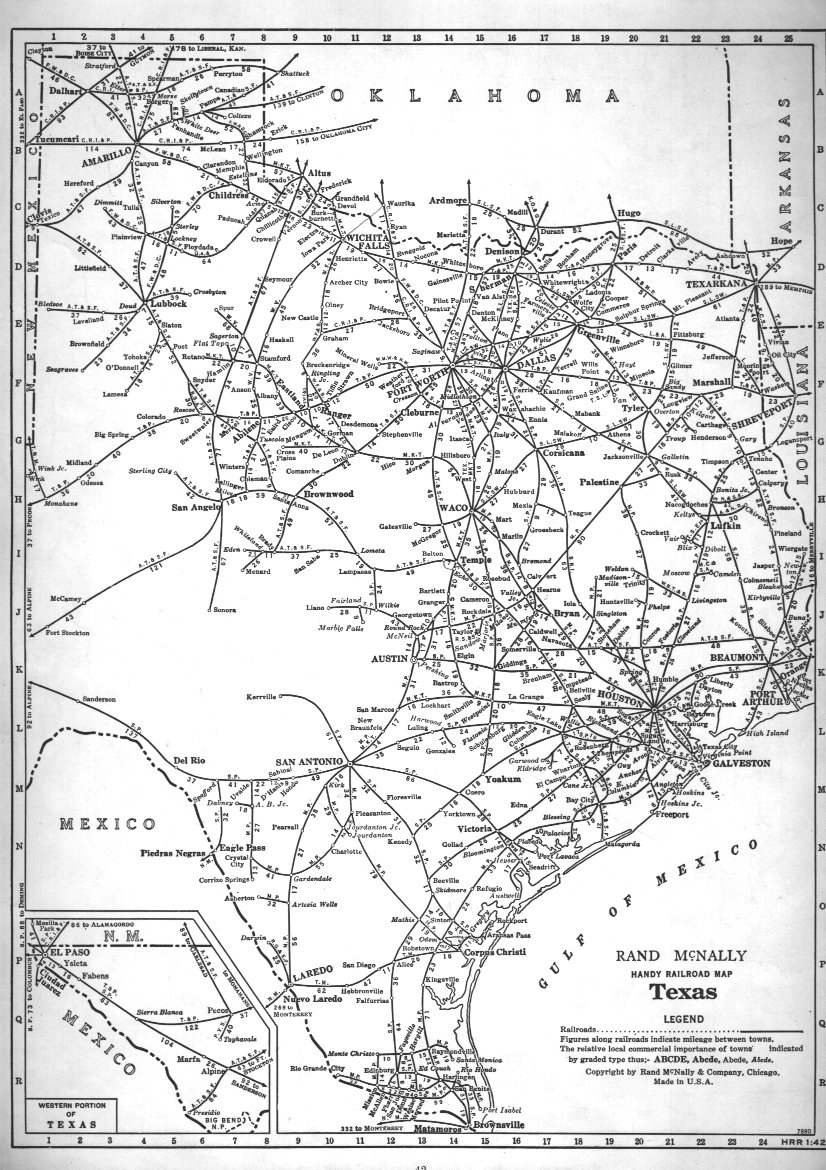 The road less traveled has been around for a long time and although it is still a part of our daily lives we often fail to remember it's there. If you have to travel by foot for whatever reason, one of the easiest ways to get from where you are to where you want to be is by following the tracks.
In an effort to save money, recycling is a great way to save a few bucks. You can recycle a very simple item that will help you keep your powder dry. One of the things that affect your ammunition you may have stored is moisture. It’s also pretty easy to combat its effects. Simply save those desiccant packs of silica gel and add them to your ammo storage.

A number of products come with those small packs of silica gel. If you save them instead of throwing them away, they can be used to help keep your ammo supplies from suffering the damaging effects of moisture. They work especially well if you buy the bulk packs of 22lr cartridges. Just throw a couple of the desiccant packs in the box of cartridges once they’ve been opened and you’re good to go or throw a number of them in your ammo box.

The packages are small enough that many times they can be added to an individual box of cartridges to help combat the effects of excess humidity, which we have plenty of here in Central Texas. For practice purposes and to save a little money, the bonus packs of 22lr cartridges are a regular purchase and the little silica gel packs work well to fend off the effects of excess humidity and moisture once they are opened.
Got dry powder?
Staying above the water line!

There are times when you will find yourself outside your normal surroundings. As a result, your comfort zone can become altered due to these surroundings. The easiest way to restore that comfort zone is by blending in with the locals.
Now it’s pretty difficult for a country boy to survive a trip to the mall in a big city. You always wonder if all the blades you normally pack will set off those detector things they have at the entrance and exit doors. No worry there as they are just for the in-store merchandise. The main problem is that you don’t want to look like a tree rat on steroids if you fill your pockets with everything you feel necessary to carry with you. Solving this problem is pretty easy.

One of the most inconspicuous things you can carry is a camera case. It’s one of the few things that a guy can carry without getting a lot of funny looks from everyone. Small and extremely portable, a small camera case will allow you to carry those essential items discretely and securely. Knowing you have your essentials for survival will restore your comfort zone.
You can even throw in a small digital camera (it won’t take up much room) along with your other gear. They also come in different sizes in case you want to carry your gear a little more discreetly or feel the need for something additional just in case. The camera case in the picture is approximately 6 inches wide, 6 inches high and 9 inches in length. It will hold a decent amount of gear and can be carried quite easily. You can usually find them in a basic black but since you will probably spend most of your time in the sporting goods section, your basic camouflage works also when you need to blend in with the locals. Besides, no one gives a guy a second look if he’s carrying a camo camera case.
A few suggested carry items is a small bottle of hand sanitizer, a short piece of orange surveyor's tape to mark your antenna and a really good local map in case you get lost. A small first aid kit will probably be a good idea as well.
There are a couple of other things you might want to do also if you’re headed to the big city. Depending upon where you will be traveling in the big city, the first thing that you will probably need is a local native to guide you. It will be a lot easier to find your way if you have someone that is familiar with the concrete and asphalt trails in the big city. Next try to find a one of those big light poles in the parking lot (the kind with a number on it) to park next to when you get there. Otherwise, you’ll need to tie a colorful marker on your antenna so you can find your vehicle when you get ready to leave due to a lack of distinctive landmarks in the parking lot. You can also forget about shade on a sunny day. The few trees you may find aren’t big enough to furnish shade for even a small dog.
Do you blend?
Staying above the water line!
Riverwalker

One of the handiest items in a survival situation is cordage. Most everyone keeps a certain amount handy for just that reason. What happens if you find yourself without that stash of paracord? It’s quite simple to make your own cordage with whatever you have available. In fact, you can literally use the shirt off your back.
RW, Jr. and I were discussing what we would do if we found ourselves without that versatile hank of paracord. Not wanting to hunt for some vine to make cordage, we found the quickest solution was to literally use the shirt off your back (RW, Jr.’s back in this case). Many people in our neck of the woods wear undershirts and RW, Jr. gracefully lent his to the purpose of making emergency cordage. In just a short time, that t-shirt became a useful piece of cordage.
The undershirt or t-shirt made a fairly long piece of emergency cordage. We actually wound up with over fifty feet of cordage that would have been useful for a number of things. There was even a sufficient length that could be braided to make a pretty stout piece of rope if needed. There are a number of different things you can use to make emergency cordage when needed. Sometimes you just need to think "underneath" the box.
Got XL undershirt?
Staying above the water line!
Riverwalker
Modern technology has made it possible to communicate with others at anytime and from anywhere. Being able to communicate with others on an instant basis is now a part of the everyday lifestyle of many people. The use of cell phone technology has made this ease of communication possible but it does have its limits and its problems that can affect everyone. These problems and limits can affect both those living in either an urban or a rural setting.
Most problems that occur with cell phone communications in an urban setting are usually short term. The major problem in an urban setting is the dreaded “network busy” that shows up on your cell phone. As more and more people depend on cell phone communications, the “network busy” problem seems to be occurring on a more frequent basis as that dependence grows. Communication problems can be even more frustrating in a rural setting.
Many people experience “dropped calls” from time to time whenever they enter a “dead zone” or an area where they are out of range of a cell phone tower. For most urban dwellers, this is only a minor inconvenience. If you happen to live in a rural area that is a “dead zone”, then you have a different type of problem that affects your lifestyle on a daily basis.
The first problem you have is that you are still dependent on a “land line” for your basic communication needs. Even a simple mechanical break-down on a freeway can leave you without the ability to communicate. Cell phones just don’t work in a “dead zone” and unless you are able to walk or drive a number of miles to get out of that “dead zone” you are going to have problems.
If you are unlucky enough to live in a “dead zone”, you can take a simple step to eliminate some of the problems you may experience. While your most basic communication problem can be solved with a “land line”, most people in rural settings spend a great deal of their time outdoors whenever possible and may simply not be in a position to respond.
The simple solution to this problem is to always make sure that someone knows where you are going, what you are doing and how long you intend to be gone or when you will be back. Always check in with someone or have them call to check on you. Should you have an accident or suffer a serious health problem you may be out of luck otherwise. If they don’t know where you are, what you’re doing and when you plan to be back, you are sorely tempting fate when it comes to your survival.
The best form of communication is that done in advance of a problem before that communication becomes critical to your survival.
Staying above the water line!




 Posts
All Comments
Posts
All Comments